|
 |
- LOCATION PROFILES - | |
| For overviews of potential business locations, covering national and regional economies, infrastructure, work force and business costs, pick a country and follow the regional links to find local companies able to meet your needs. |
||
 |
||
 |
||
|
Why Solar Panel Performance Drops — and Practical Ways to Improve It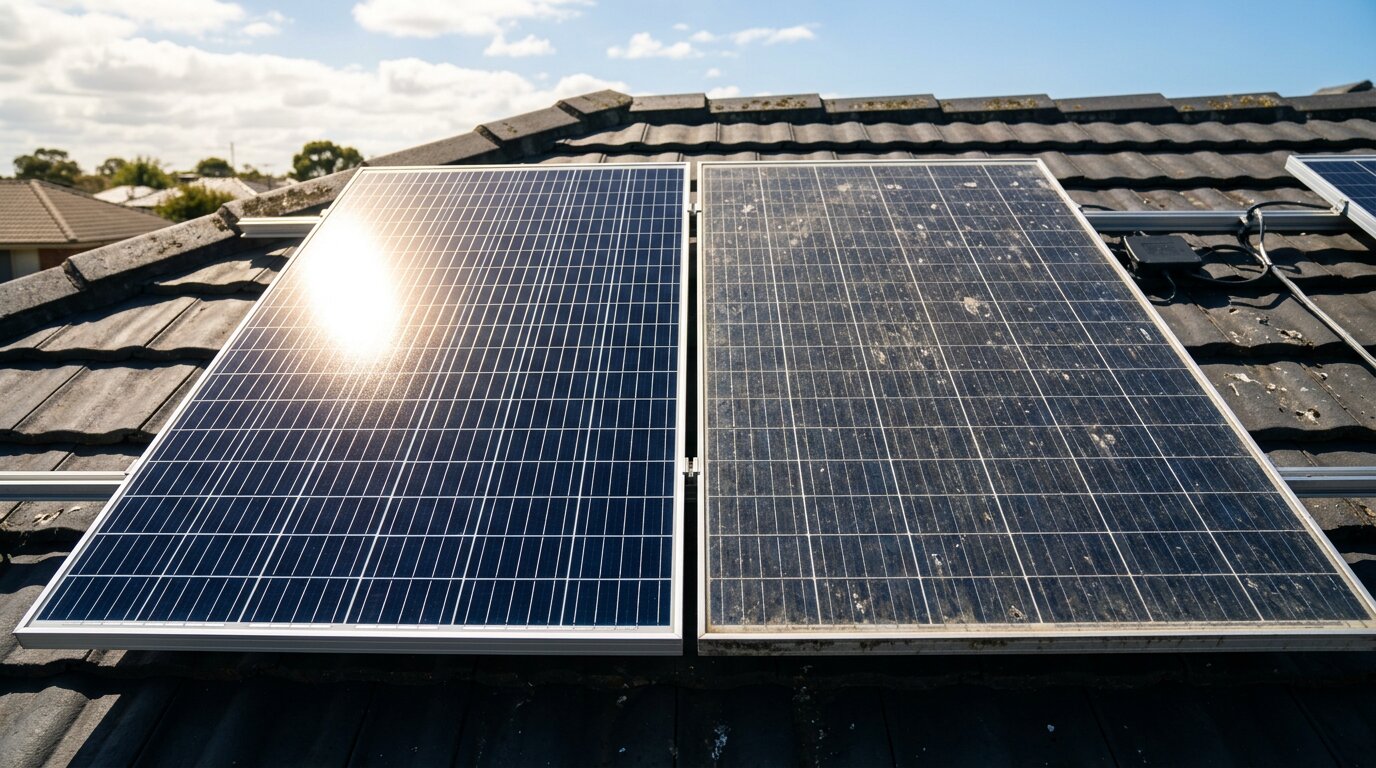
If you’ve noticed your solar panels aren’t working as well as they used to, you’re not alone. Performance can drop for several reasons, and some are easier to fix than others. Whether it’s dirt, shade, age, or something more technical, these issues can quietly reduce your energy output. If you’re looking for practical ways to get the most from your investment, understanding what’s happening behind the scenes is essential—there’s more at stake than you might think. Understanding the Fundamentals of Solar Panel EfficiencySolar panels are designed to convert sunlight into electricity, but understanding their efficiency requires a comprehensive evaluation beyond mere output numbers. To accurately assess a solar panel's effectiveness, consider the proportion of energy from sunlight that is transformed into usable electricity via its photovoltaic cells. Factors influencing efficiency include the materials used in the cells, the technologies implemented, and the surface textures that minimize light reflection. It is important to note that elevated temperatures and fluctuations in thermal cycling can adversely affect current generation, as these conditions may disrupt the behavior of electrons and holes within the cell. Additionally, solar panel performance can decline over time due to degradation processes. Regular research and advancements in the industry, such as those conducted in the United States, contribute to ongoing improvements in solar technology. These developments are regularly documented in news releases and industry reports, providing valuable insights into enhancing solar panel efficiency. Common Causes of Performance Degradation in Solar PanelsDespite technological advancements, various external and internal factors can lead to a gradual decline in the performance of solar panels over their operational lifespan. When sunlight interacts with photovoltaic cells, a portion of the light is inevitably reflected away, which restricts the conversion of solar energy into usable electricity. Over time, thermal cycling and prolonged exposure to high humidity can adversely affect the materials used in solar panels, resulting in degradation. Additionally, ultraviolet (UV) radiation can cause the encapsulant to discolor and the insulation to break down, further diminishing the panels' efficiency in converting energy. Environmental conditions such as freeze-thaw cycles may also compromise the structural integrity of components like junction boxes, thereby reducing overall power output. To mitigate these performance issues, regular maintenance is advisable. Keeping informed about developments from national resources and ensuring the panels are clean can enhance their efficiency and sustain their energy output over time. The Impact of Temperature on Solar Energy OutputThe relationship between temperature and the efficiency of solar panels is well-documented. As temperatures increase, the efficiency of solar panels can decline due to heightened internal resistance within the solar cells. This resistance results in a decrease in voltage output, which in turn reduces the overall conversion of sunlight into electrical energy. Additionally, elevated temperatures can hinder the photovoltaic process, as the heat interferes with the capacity of solar cells to effectively convert light into electricity. Prolonged exposure to high temperatures and thermal cycling can lead to degradation of the materials used in solar panels, particularly in the photovoltaic cells. In contrast, cooler climates tend to support better performance in solar panels, as they help maintain optimal conditions for electron and hole mobility, which are critical for efficient energy conversion. Furthermore, advancements in solar panel design, such as the implementation of textured surfaces, can help to mitigate heat absorption by reflecting excessive sunlight, ultimately preserving the resources and enhancing the longevity of the panels. Implementing effective cooling strategies is thus essential for extending both the operational lifespan and the performance efficiency of solar energy systems. Such strategies can play a significant role in optimizing energy output in varied climatic conditions. How Shading and Dirt Reduce Solar Panel EffectivenessShading and the accumulation of dust can significantly affect the efficiency of solar panels. When panels are partially shaded, the electron flow in the photovoltaic cells is disrupted, which can lead to a noticeable decrease in their capacity to convert sunlight into usable energy. Additionally, dirt and debris can obstruct light exposure, further diminishing panel efficiency. This issue is particularly pronounced in regions with high levels of soiling throughout the United States, especially in areas like Solar Panels Jersey City. The tilt and orientation of solar panels also play a crucial role in their performance. Even small areas of shade or improper placement can result in energy losses. Advanced technologies, such as anti-reflective coatings and textured surfaces, are designed to minimize the amount of sunlight reflected away from the panel, thus enhancing energy conversion. To ensure optimal performance, regular maintenance and cleaning are essential. These practices not only help maximize the output of solar panels but also contribute to the reliability of solar technologies on a national scale. The Role of Material Quality in Solar Panel PerformanceThe quality of materials used in solar panels is fundamental to their performance and efficiency in converting sunlight into electricity. High-purity materials utilized in photovoltaic cells enhance their capacity to transform sunlight into usable energy. Conversely, defects in the primary materials of the panel can lead to increased recombination rates between electrons and holes, thereby diminishing overall efficiency. Additionally, advancements in technology, such as the implementation of textured surfaces and anti-reflective coatings, serve to minimize the amount of light that is reflected away from the solar cells, resulting in greater sunlight absorption. The use of high-quality soldering materials and robust busbars also plays a significant role in reducing the risk of degradation and the formation of microcracks, which can compromise the integrity of the solar panels over time. In the context of the United States, it is essential to harness domestic resources effectively and to prioritize the use of high-grade materials in the production of solar panels. This approach is likely to lead to improved long-term electricity output and overall system reliability. Engaging with these practices ensures that solar energy systems can operate efficiently and sustainably over their intended lifespan. Thermal Cycling, UV Exposure, and Environmental Stress FactorsExposure to various environmental factors has a measurable impact on the long-term performance of solar panels. Thermal cycling, which involves repeated heating and cooling, can induce stress within each cell, leading to the formation of microcracks. These microcracks can hinder the cells’ ability to effectively convert sunlight into electricity. Additionally, ultraviolet (UV) radiation can cause discoloration of backsheet materials, which may further diminish the overall efficiency of panels. High humidity and damp heat conditions can also contribute to the degradation of solar panels. These factors may weaken the adhesion between different components of the panels and compromise their insulation properties. Such environmental stressors are prevalent in many regions of the United States and can result in a reduction of energy output by as much as 3% on an annual basis. While advancements in technology, such as the development of textured surfaces, have been designed to enhance light capture, ongoing exposure to these environmental challenges remains a significant concern. Regular monitoring of environmental stressors is essential for preserving the integrity of photovoltaic cells and maintaining their efficiency over time, ultimately protecting both energy resources and economic interests. The Importance of Busbar Configuration in Solar ModulesThe busbar configuration in solar modules plays a significant role in the overall efficiency of solar panels. Utilizing multiple busbars that are thoughtfully designed can mitigate mechanical stress and reduce resistive losses in photovoltaic cells. This design enables more effective conversion of sunlight into electrical energy. Furthermore, the integration of thinner and more numerous busbars facilitates the movement of electrons and holes, which can decrease degradation associated with thermal cycling and high-intensity sunlight exposure. The geometric shapes and surface textures of the busbars can also minimize light reflection, thereby enhancing light absorption and, consequently, energy yield. Incorporating advanced materials and innovative configurations not only optimizes performance at the module level but also contributes to broader national objectives regarding resources and electrical sustainability in the United States. Such advancements are integral in advancing the efficiency and viability of solar energy systems. Advances in Panel Design and Technology for Enhanced EfficiencyRecent developments in solar panel design and associated technologies are advancing the industry's efficiency metrics. The implementation of heterojunction and tandem photovoltaic cells has demonstrated significant potential for improving conversion efficiencies, thereby optimizing electricity generation from sunlight. The use of anti-reflective coatings on panel surfaces minimizes light reflection, which enhances cell performance by facilitating better photon absorption and the subsequent movement of electrons and holes. Additionally, bifacial panels offer a dual-sided approach to energy capture, utilizing sunlight that strikes both the front and rear surfaces. Advanced cooling systems are also notable, as they mitigate performance degradation that often results from elevated temperatures and thermal cycling. Furthermore, Maximum Power Point Tracking (MPPT) technologies contribute to maintaining optimal output across varying environmental conditions. These advancements illustrate a clear relationship between technological innovation and the effective utilization of national energy resources, providing a foundation for future improvements in solar energy efficiency. System Layout, Installation, and Positioning Best PracticesA strategic approach to the layout and installation of solar panels is crucial for optimizing system performance. Proper orientation and tilt of panels are essential for maximizing sunlight exposure. The ideal angle for solar panels typically falls between 30 to 45 degrees, as this angle has been shown to enhance the conversion of solar energy into usable electricity. Additionally, ensuring adequate spacing between panels can facilitate air circulation, which helps mitigate the effects of high temperatures on system performance. Utilizing quality materials and advanced technologies can further minimize degradation related to thermal cycling, thereby extending the lifespan and efficiency of the solar panels. It is also important to position panels in a way that avoids obstructions. Unobstructed panels receive more direct sunlight, which contributes to improved photovoltaic cell efficiency by allowing for effective movement of electrons and holes. This ultimately supports greater energy efficiency across the entire solar power system. For more detailed information and analysis on this topic, references can be made to credible sources such as the United Nations Resources. For inquiries, please feel free to reach out. Maintenance and Monitoring Strategies for Sustaining PerformanceThe performance of solar panels is heavily reliant on regular maintenance and continuous monitoring. Basic upkeep, such as the removal of dirt and debris, is essential for ensuring that panels can effectively capture sunlight and convert it into usable energy. It is advisable to conduct inspections of the panels, connections, and inverters every six to twelve months to identify any signs of wear or degradation. This proactive approach helps prevent material loss due to thermal cycling and other factors that can impair functionality. Monitoring systems play a crucial role in optimizing solar energy generation. These systems provide real-time data on events that may lead to decreases in electricity output. Advanced technologies are capable of tracking the flow of electrons and holes within photovoltaic cells, allowing for precise assessments of performance. Engaging in regular maintenance and monitoring not only enhances the efficiency of solar installations but also contributes to the sustainability of national energy resources. By prioritizing these practices, individuals and organizations can effectively support advancements in solar energy technology. ConclusionTo maximize your solar panels' performance, stay proactive with cleaning, regular inspections, and prompt repairs. Consider upgrades, like advanced inverters and smart monitoring, to boost efficiency. Remember, proper installation and thoughtful positioning are critical for optimal sunlight exposure. Addressing shading, dirt, and aging components ensures you get the most from your investment. With consistent care and the right technology, you can minimize performance drops, save on energy costs, and extend your system’s productive lifespan. |
|
|||||||||||||||||||||||||||||||||||||||||||||||
|
|
||||||||||||||||||||||||||||||||||||||||||||||||
|
|
| home |
© 2002 Internet Commercial Informations Services Ltd. |
top |