|
 |
- LOCATION PROFILES - | |
| For overviews of potential business locations, covering national and regional economies, infrastructure, work force and business costs, pick a country and follow the regional links to find local companies able to meet your needs. |
||
 |
||
 |
||
|
Preparing Your Charlotte Home for an Upcoming Solar Installation Visit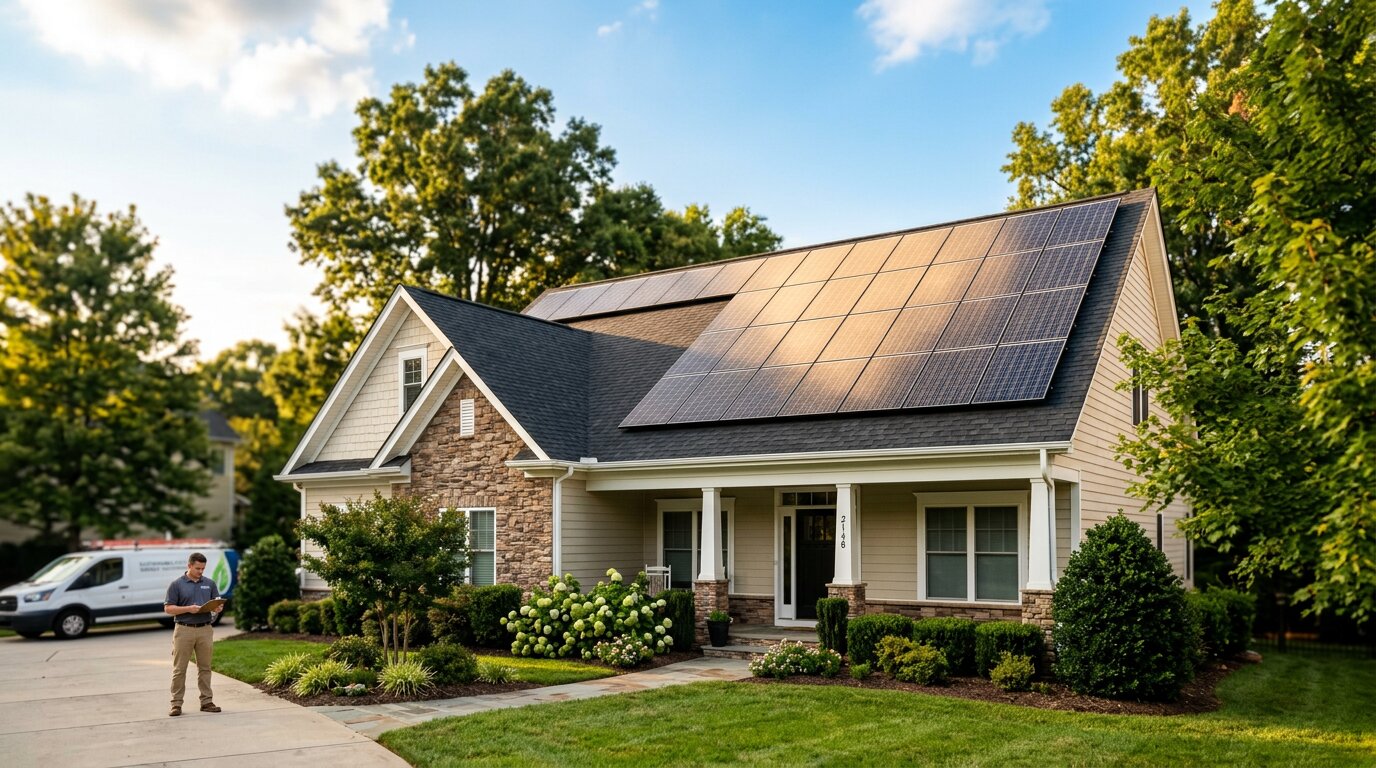
If you’re planning to install solar panels at your Charlotte home, there’s more to think about than just picking a system. You’ll need to assess your roof’s condition, prepare both your exterior and interior spaces, and get familiar with costs and financing. It might feel overwhelming at first, but knowing where to start can make the process far smoother. Before your contractor arrives, there are a few key steps you shouldn’t overlook. Assessing Your Roof’s Suitability for Solar InstallationEvaluating your roof's suitability for solar panel installation is a critical step in the process. In Charlotte, NC, it is important to assess the roofing material, particularly if you have asphalt shingles, which should be in good condition and not nearing the end of their lifespan. The structural integrity of your roof will directly impact the feasibility of the installation. Additionally, ensure that there is sufficient space available on the roof for solar panels. The orientation of the roof is also a key factor; ideally, solar panels should face south to capture the maximum amount of sunlight throughout the day. It is also crucial to identify any shading issues from nearby trees, buildings, or other structures that could impede sunlight access to the panels, thereby affecting energy production and overall efficiency. Consulting with professionals who specialize in Solar Installation Charlotte, NC can provide valuable insights and recommendations tailored to your specific roof situation. A thorough assessment will not only help you understand the practicality of installing solar panels but may also make you eligible for various tax credits and incentives designed to promote renewable energy use. Selecting a Qualified Solar ContractorTo ensure a smooth solar installation process that aligns with your expectations, it is crucial to select a qualified solar contractor in Charlotte. This decision significantly impacts the overall quality and success of the project. Begin by conducting thorough research on customer reviews and seeking recommendations from individuals in North Carolina. It is important to verify the contractor’s licensing and insurance, as well as their experience specifically related to solar panel installations and roofing types, such as asphalt shingles. Additionally, understanding local regulations is vital, as compliance with these rules is necessary for a successful installation. Obtaining multiple quotes allows for a comparison of different system options, costs, and warranties available on the market. This detailed examination will provide insight into the level of service and reliability offered by each contractor. Engaging in this due diligence will help in making an informed decision about your solar energy project. Evaluating Power Management and Storage SolutionsOnce a qualified solar contractor has been selected, the next step involves determining the most effective strategy for managing and storing the energy generated by the solar panels. In Charlotte, NC, homeowners should consider whether battery storage or net metering aligns better with their energy needs and financial goals. Battery storage systems can provide homeowners with energy independence, allowing them to store excess energy produced during peak sunlight hours for use during periods of low generation or high demand. This can be particularly beneficial in reducing reliance on the grid and ensuring access to power during outages. Alternatively, net metering allows homeowners to sell excess energy back to the grid, potentially leading to reduced electricity costs and the opportunity to earn tax credits. This option can be particularly advantageous for those who do not wish to invest in battery storage and prefer to offset their utility bills through a grid connection. When considering these options, it is important to consult with your solar team to analyze how your roofing material, be it asphalt shingles or another type, may influence the installation and efficiency of your solar system. Understanding the specifics of each option and how they relate to your individual circumstances will facilitate a more tailored approach to solar energy management. For further assistance in navigating these decisions and to ensure a well-coordinated approach to your solar panel installation, please reach out for expert guidance. Understanding Solar Panel Types and EfficiencyA thorough understanding of the various types of solar panels is critical when planning an installation. In Charlotte, monocrystalline panels are known for providing the highest energy output, making them particularly suitable for homes with limited roofing space or those using asphalt shingles. Polycrystalline panels present a favorable balance between cost and efficiency, making them a common choice for many homeowners in North Carolina. While thin-film panels tend to have lower efficiency compared to their crystalline counterparts, they offer advantages in specific applications where flexibility is required. Selecting the appropriate solar panel system is crucial to ensuring that the installation will generate sufficient electricity, effectively reduce energy costs, and potentially enable homeowners to sell surplus energy back to their utility provider. This decision plays a significant role in the overall success of a solar energy project. Examining Financing and Incentive OptionsWhen evaluating solar installation options for a home in Charlotte, it is important to understand the various financing methods and incentives available to make this transition more economical. A significant consideration is the federal tax credit, which allows homeowners to deduct 30% of the total system cost from their federal tax liability. Additionally, programs at the state level in North Carolina may provide further financial assistance, potentially reducing overall expenses related to solar installation. Homeowners should also assess their energy consumption patterns, as this evaluation will inform whether battery storage for surplus energy is necessary. Selling excess energy back to the utility company can further mitigate electricity costs, contributing to the overall efficiency of the solar investment. When it comes to ownership models, solar loans are viable options that enable homeowners to retain ownership of their solar systems. This ownership can lead to substantial long-term savings. In contrast, solar leases and Power Purchase Agreements (PPAs) do not confer ownership of the system, which may affect the potential for long-term financial benefits. For personalized financing options, customer reviews, and a comprehensive understanding of the installation process, it is advisable to contact a professional team specializing in solar energy solutions. This practical approach offers homeowners the opportunity to contribute to the reduction of greenhouse gas emissions while also considering the financial implications of the installation. Gathering Documentation and Preparing for the Contractor VisitEffective preparation for the contractor's visit is essential for optimizing the solar installation process and reducing potential delays. It is advisable to gather your most recent North Carolina electricity bills, as they will be instrumental in evaluating your energy consumption and determining whether the proposed solar system can meet your needs or generate surplus energy available for resale to the utility provider. Additionally, you should compile relevant roofing information, including the type of material (such as asphalt shingles) and the age of the roof. It is also important to gather any Homeowners Association (HOA) documents and necessary permits to facilitate the review process for the contractor. Consider examining potential shading issues surrounding your home in Charlotte, as these factors can significantly impact the efficiency of the solar panels. Preparing a list of inquiries related to battery storage options, installation costs, panel warranties, and available tax incentives will also help ensure that you are well-informed and prepared for discussions during the visit. This approach will enhance your understanding of the solar installation process and support effective decision-making. ConclusionPreparing for a solar installation in Charlotte doesn’t have to be overwhelming. By addressing your roof’s condition, organizing your home’s exterior and interior, and understanding costs, you set yourself up for a smooth process. Remember to compare contractor quotes and explore all incentive options. After installation, stay proactive with inspections and monitoring. With these steps, you’ll maximize the benefits of solar energy while ensuring an efficient transition to a more sustainable home. |
|
|||||||||||||||||||||||||||||||||||||||||||||||
|
|
||||||||||||||||||||||||||||||||||||||||||||||||
|
|
| home |
© 2002 Internet Commercial Informations Services Ltd. |
top |