|
 |
- LOCATION PROFILES - | |
| For overviews of potential business locations, covering national and regional economies, infrastructure, work force and business costs, pick a country and follow the regional links to find local companies able to meet your needs. |
||
 |
||
 |
||
|
How to Prepare Your Home for Solar Installation in South Carolina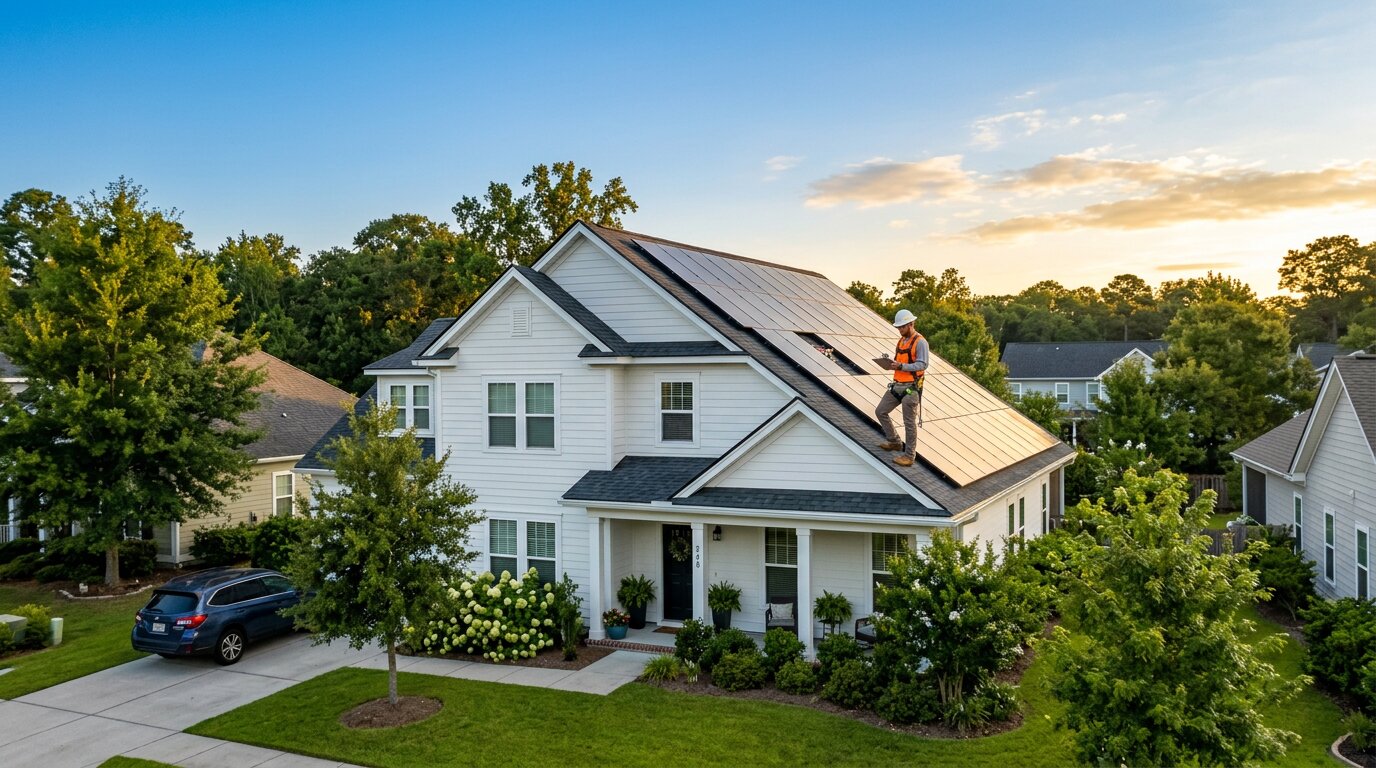
Thinking about adding solar panels to your South Carolina home? Before you get started, you’ll need to look at your property, investigate legal requirements, and plan your investment carefully. Proper preparation can make the process smoother and help you avoid common pitfalls. From checking your roof’s strength to exploring the best financial incentives, each step plays a part in making sure your system works efficiently. There's more to consider before you’re ready for installation. Evaluating Your Property for Solar SuitabilityDetermining whether your home is suitable for solar panel installation involves a systematic evaluation of several factors. Begin by assessing the orientation of your roof; a south-facing roof typically yields the highest energy production, although roofs that face east, west, or southeast can also be effective in South Carolina due to the state’s overall solar potential. It is also crucial to ensure that your roof has adequate space free from obstructions, as a clear exposure to direct sunlight will enhance energy output. Key considerations beyond orientation include the condition of your existing electrical system, the potential for future installation or maintenance needs, and any relevant homeowners' association (HOA) regulations that may influence your decision. Additionally, it is advisable to familiarize yourself with common inquiries regarding solar leasing options, financing through loans, available federal and state tax credits, and policies such as net metering that can affect the economic benefits of solar energy. Before engaging a licensed contractor for panel installation, take the time to evaluate these aspects and explore options from South Carolina Photovoltaic Systems to maximize the potential savings and efficiency that solar energy can provide to customers in South Carolina. Assessing Roof Integrity and OrientationPrior to scheduling a solar installation, it is important to assess the age and structural integrity of your roof, as these factors are critical in determining whether your home can safely accommodate solar equipment. In South Carolina, the orientation of your roof plays a significant role in the efficiency of solar panels; south-facing roofs typically receive the most direct sunlight, which can optimize the energy output of your solar system. Ensure that your property offers a minimum of 200 square feet of unobstructed space for installation. Additionally, if your home is subject to homeowners' association (HOA) or community regulations, it is advisable to address these guidelines before proceeding with any installation. In cases where the roof is not suitable for mounting solar panels, ground-mounted systems may be pursued as an alternative option. For a thorough evaluation, consider consulting a licensed contractor or solar manufacturer. They can provide insights into potential savings and the overall feasibility of the installation based on your specific conditions. Navigating Permits and Utility ApprovalsNavigating the permits and utility approvals required for solar installation is a fundamental component of the process. In South Carolina, it is essential to engage with the appropriate local office to confirm zoning and building regulations that apply to your property. For customers of Dominion Energy, specific information must be provided, including a Dominion account number, details about the solar system, installer information, and responses to frequently asked questions related to the installation process. Prior to initiating a solar installation, it is advisable to ascertain whether approval from your Homeowners Association (HOA) is necessary. Additionally, prospective solar adopters should gather information about state tax credits available for solar energy systems, as this could influence the financial viability of the project. Completing the requisite permit applications is also a critical step in ensuring compliance with local regulations. Following the submission and approval of permits, a local inspection is typically conducted to verify that the electric system adheres to established efficiency standards. Upon successful installation, Dominion Energy will deploy a Net Metering device to track the electricity generated by your solar system, facilitating bill credits based on the amount of energy produced. This process underscores the importance of thorough preparation and adherence to regulatory frameworks for a successful solar installation. Choosing a Qualified Solar InstallerChoosing a qualified solar installer is critical for ensuring the effectiveness of your solar energy system and realizing cost savings over time. In South Carolina, it is advisable to engage a licensed contractor for the installation of solar electric systems. Preference should be given to installers who hold certification from the North American Board of Certified Energy Practitioners (NABCEP), as this indicates a recognized standard of expertise and professionalism in the field. To assess the reliability of potential installers, it is prudent to review testimonials from both business alliances and consumers. This feedback can provide insight into the installer's performance and customer service levels. Before proceeding with the installation, it is essential to obtain comprehensive information regarding warranties, installation processes, ongoing maintenance, and performance guarantees. It is recommended to secure and compare estimates from at least three different contractors, with particular attention to the options available for purchasing or leasing solar panels. Consulting with the South Carolina regulatory staff can also be beneficial for gaining clarity on general requirements and regulations applicable to solar installations. For a thorough understanding of your options, ask for general information, frequently asked questions, and contact details from potential installers. This inquiry will facilitate a more informed decision-making process that aligns with your specific energy needs and financial considerations. Exploring Financing and Incentive OptionsWhen evaluating the financial implications of installing solar panels in South Carolina, prospective customers should assess various financing options and available incentives. South Carolina residents can fund solar panel installations through various means, including bank loans, home equity loans, or leasing arrangements. Key financial incentives include federal and state tax credits, which can significantly reduce the upfront cost of installation. Additionally, net metering programs allow solar panel owners to receive bill credits for excess energy produced, enhancing savings over time. It is also important to consider financing options that offer fixed monthly rates, providing predictability in budgeting. Most solar installers or leasing companies typically include installation and maintenance services in their offerings, which can simplify the process for homeowners. Prior to proceeding with any installation, it is advisable to consult with the local homeowner association (HOA) and to verify regulations through the South Carolina Office of Regulatory Staff to ensure compliance. To maximize financial benefits, it is prudent to compare multiple estimates from different providers. This comparison will help clarify potential savings and establish a clear understanding of the total costs involved in the solar panel installation process. Designing the Optimal Solar SystemDesigning an optimal solar system involves a comprehensive assessment of individual energy consumption patterns as well as the specific characteristics of your roof. In South Carolina, it is generally recommended to orient solar panels for maximum exposure to sunlight, typically directing them southward. Factors such as available roof space, homeowners’ association (HOA) regulations, and potential future energy needs, including electric vehicle (EV) charging, should also be taken into account. The system size you choose should correspond with your electricity bill and should anticipate any future increases in energy needs. Additionally, it is important to consider available incentives, including state tax credits and federal rebates, which can significantly affect the overall cost-effectiveness of the installation. Engaging a licensed contractor for installation is advisable, with a preference for those who are NABCEP-certified, as this designation indicates a level of expertise in solar energy systems. Furthermore, it is critical to evaluate options for financing the installation, whether through direct purchase, loans, or lease agreements. This approach not only facilitates an efficient installation process but also helps ensure that customers can maximize their long-term savings on energy costs. Understanding Installation and Interconnection ProceduresNavigating the installation and interconnection process for solar energy systems in South Carolina involves adhering to specific utility requirements and regulations. Prospective solar users must first obtain approval from Dominion Energy, which requires submission of essential information, including the main Energy account number and details about the contractor designated for the installation of solar panels. Before commencing installation, individuals should verify any necessary permissions from their Homeowners Association (HOA) and ensure that their property insurance adequately covers the addition of solar panels. Following installation, inspections conducted by local authorities and Dominion Energy are required to confirm that the electric system complies with South Carolina Interconnection Standards. Upon successful completion of these inspections, Dominion Energy will install a bi-directional meter. This equipment is crucial for enabling net metering, which allows for accurate tracking of electricity generated by the solar system, facilitating bill credits for any surplus energy produced. The choice of installer also plays a significant role in the overall effectiveness of the solar system. It is advisable to select a licensed installer certified by the North American Board of Certified Energy Practitioners (NABCEP), as this ensures that the installation meets industry standards and is likely to perform optimally over time. Considering Community Solar AlternativesIndividuals who find rooftop solar installation unsuitable due to factors such as shading, structural issues, or rental agreements may consider community solar programs as a viable alternative. In South Carolina, these programs allow participants to purchase or lease a portion of solar panels from a designated solar farm. The electricity generated is fed into the shared electric grid, and participants receive a monthly credit on their electric bill proportional to their share in the solar production. One significant advantage of community solar is that it circumvents some of the common barriers associated with traditional solar installation. This model is particularly beneficial for those who do not own their homes, face homeowners' association (HOA) restrictions, or have concerns about access to adequate sunlight. The South Carolina Office of Regulatory Staff ensures consumer protections for participants in these programs. It is advisable for individuals considering community solar to thoroughly review the associated costs, rates, and frequently asked questions provided by program operators. To facilitate informed decision-making, potential participants should access the program's website for contact information and further options available. ConclusionBy thoughtfully preparing your home for solar installation, you’ll ensure a smooth transition to renewable energy. Evaluate your property, secure necessary permits, and choose a reliable installer. With careful planning and research, you can maximize savings, take advantage of incentives, and enjoy long-term benefits. Stay proactive about maintenance to optimize performance. Embracing solar in South Carolina doesn’t have to be complicated—you just need to follow these steps and consult professionals whenever you need guidance. |
|
|||||||||||||||||||||||||||||||||||||||||||||||
|
|
||||||||||||||||||||||||||||||||||||||||||||||||
|
|
| home |
© 2002 Internet Commercial Informations Services Ltd. |
top |